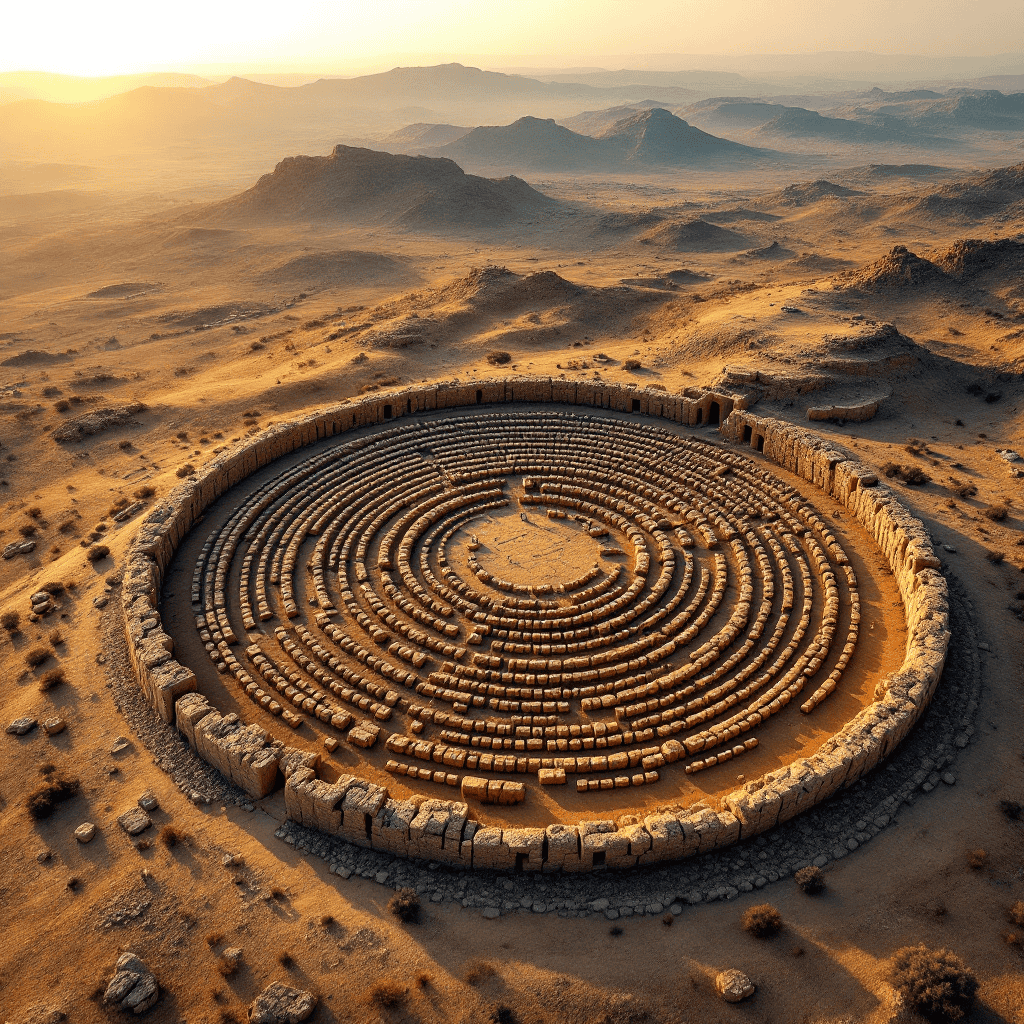
Ancient civilizations older than Egypt force us to reconsider the entire timeline of human development. For decades, mainstream archaeology taught that Egypt represented the beginning of advanced human civilization, emerging around 3100 BCE with the unification of Upper and Lower Egypt under the first pharaohs. But buried beneath desert sands, hidden under ocean waves, and scattered across continents lie structures and settlements that predate the pyramids by thousands of years. These forgotten cultures possessed knowledge, architectural precision, and astronomical understanding that challenge the linear narrative of human progress we’ve been handed.
The evidence isn’t speculative. It’s carved into megalithic stone, encoded in star alignments, and confirmed through modern dating techniques. What emerges is a pattern: civilization rose long before the approved timeline allows, achieved sophistication we struggle to explain, then collapsed under catastrophic forces that reset the human story. The survivors carried fragments forward, seeding knowledge into cultures like Egypt that we mistakenly call the first.
Göbekli Tepe: The Structure That Broke the Timeline
In southeastern Turkey, a temple complex called Göbekli Tepe (meaning Hill of the Navel) sits as the most undeniable proof that ancient civilizations older than Egypt not only existed but thrived with capabilities beyond what hunter-gatherers should possess. Built over 12,000 years ago, approximately 9600 BCE, this massive stone monument predates the Egyptian pyramids by more than 6,000 years.